
Transform Your Health Through Smart Nutrition
Discover the science-backed principles of healthy eating designed specifically for men's wellness and vitality
Why Men's Nutrition Matters
Men have unique nutritional needs that differ from general dietary guidelines. From supporting muscle maintenance to optimizing energy levels and cardiovascular health, a tailored approach to eating makes a measurable difference in how you feel and perform every day.
Too many men overlook nutrition as an afterthought, reaching for convenience over quality. Our editorial mission is to break that pattern and show that healthy eating can be practical, satisfying, and sustainable.
The information on this site is for educational purposes only and does not constitute medical advice. Always consult a qualified healthcare professional before making health decisions.
Six Core Features of Healthy Eating for Men
Essential principles to build sustainable nutrition habits
Protein-Rich Foundation
Adequate protein intake supports muscle repair, energy stability, and satiety. Men typically require 1.6–2.2 grams per kilogram of body weight, especially if active. Quality sources include lean meats, fish, eggs, legumes, and dairy.
Whole Foods Over Processed
Unprocessed foods deliver nutrient density without hidden sugars, excess sodium, and unhealthy fats. Prioritize fresh vegetables, whole grains, fruits, nuts, and minimally refined options for sustained energy and better digestion.
Smart Hydration
Water is essential for nutrient transport, temperature regulation, and cognitive function. Most men need 3–4 liters daily, with more during exercise. Proper hydration improves workout recovery and mental clarity.
Balanced Macronutrients
A healthy ratio combines protein, healthy fats, and complex carbohydrates. This balance maintains steady blood sugar, prevents energy crashes, and supports hormonal health and fitness performance.
Meal Timing & Frequency
Eating every 3–4 hours supports stable energy and muscle synthesis. Timing protein and carbs around workouts optimizes recovery. Consistency matters more than perfection—find a rhythm that fits your lifestyle.
Micronutrient Awareness
Vitamins and minerals (iron, zinc, magnesium, B vitamins) fuel energy production and immune function. A varied diet rich in colorful vegetables, seeds, and whole grains ensures adequate micronutrient coverage.
Your 5-Step Healthy Eating Journey
A practical roadmap to transform your nutrition habits
Assess Your Current Diet
Track what you eat for 3–5 days without changing anything. Note meal times, portions, snacks, and hydration. This baseline reveals patterns: skipped breakfasts, excessive caffeine, late-night eating, or nutrient gaps. Understanding where you are is step one.
Set Realistic Goals
Define what healthy eating means for you. Is it more energy, better digestion, improved fitness results, or mental clarity? Make goals specific and measurable. Instead of "eat better," aim for "add a serving of vegetables to lunch daily" or "drink 2 liters of water."
Build Your Food Foundation
Choose 10–15 staple foods you genuinely enjoy: lean proteins, whole grains, vegetables, fruits, and healthy fats. This simplifies meal planning and shopping. Rotate these foods to maintain variety while keeping habits sustainable and budgets manageable.
Implement Meal Prep
Dedicate 1–2 hours weekly to prepare proteins, grains, and vegetables. Portion into containers for the week. Batch cooking removes the excuse of "no time" and ensures healthy options are ready-to-eat, preventing convenience food shortcuts.
Monitor & Adjust
After 2–3 weeks, reflect on energy levels, digestion, mood, and fitness performance. What's working? What feels forced? Nutrition is personal—adjust portions, meal timing, or food choices based on how your body responds and your lifestyle demands.
Build Long-Term Habits
Sustainable change takes 8–12 weeks of consistency. Focus on one habit at a time—don't overhaul everything simultaneously. Celebrate small wins, stay flexible with occasional indulgences, and view nutrition as a lifelong practice, not a short-term fix.
Benefits Comparison: Healthy Eating vs. Status Quo
See the real-world differences in your life when you prioritize nutrition
| Aspect | Without Healthy Eating | With Healthy Eating |
|---|---|---|
| Energy Levels | Frequent crashes, afternoon slump, reliance on caffeine | Stable energy throughout the day, natural alertness, better focus |
| Digestion & Gut Health | Bloating, irregular bowel movements, poor nutrient absorption | Improved digestion, regular bowel function, better nutrient utilization |
| Physical Performance | Slow recovery from workouts, reduced strength gains, fatigue | Faster recovery, increased muscle definition, sustained strength |
| Mental Clarity | Brain fog, difficulty concentrating, mood swings | Sharp focus, improved memory, stable mood and motivation |
| Cardiovascular Health | Higher inflammation, poor circulation, increased risk factors | Reduced inflammation, healthy circulation, supportive blood pressure |
| Quality of Life | Constant hunger, food cravings, restricted feeling | Satisfied appetite, fewer cravings, sustainable enjoyment of food |
Practical Meal Prep Ideas That Work
Simple, repeatable recipes to support your busy lifestyle
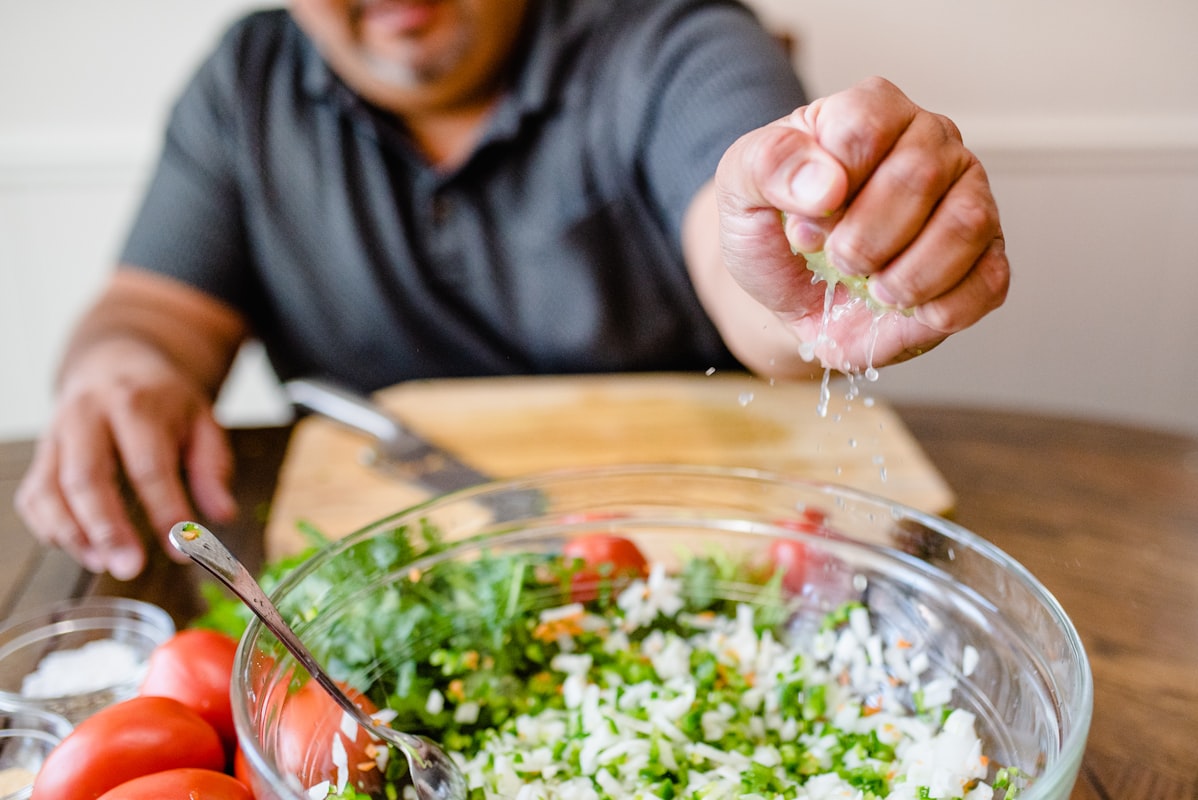
Grilled Chicken & Quinoa Bowl
Seasoned grilled chicken breast, fluffy quinoa, roasted broccoli, bell peppers, and olive oil dressing. Prep 4 containers, refrigerate up to 4 days. High protein, balanced carbs, rich in micronutrients.
View Recipe →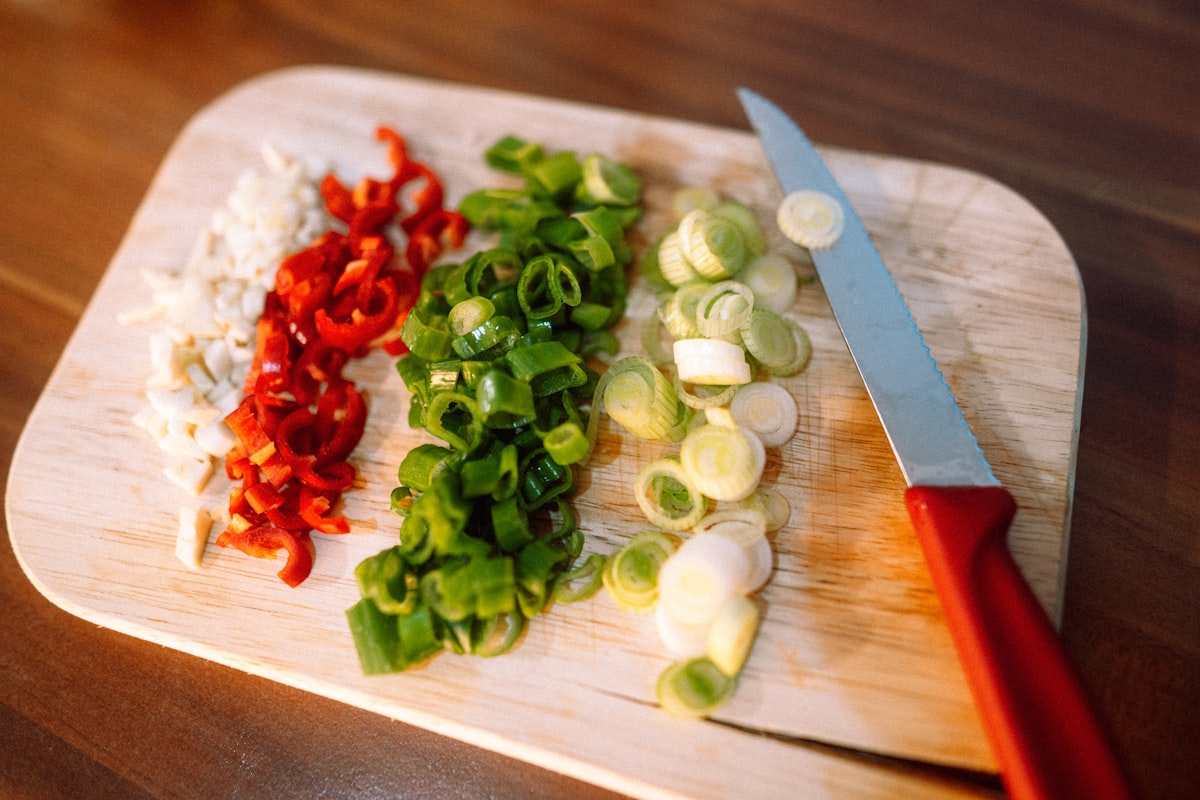
Baked Salmon with Sweet Potato
Wild-caught salmon fillets, roasted sweet potato, steamed green beans, drizzled with lemon and herbs. Omega-3 rich, supports cardiovascular and joint health. Lasts 3–4 days refrigerated.
View Recipe →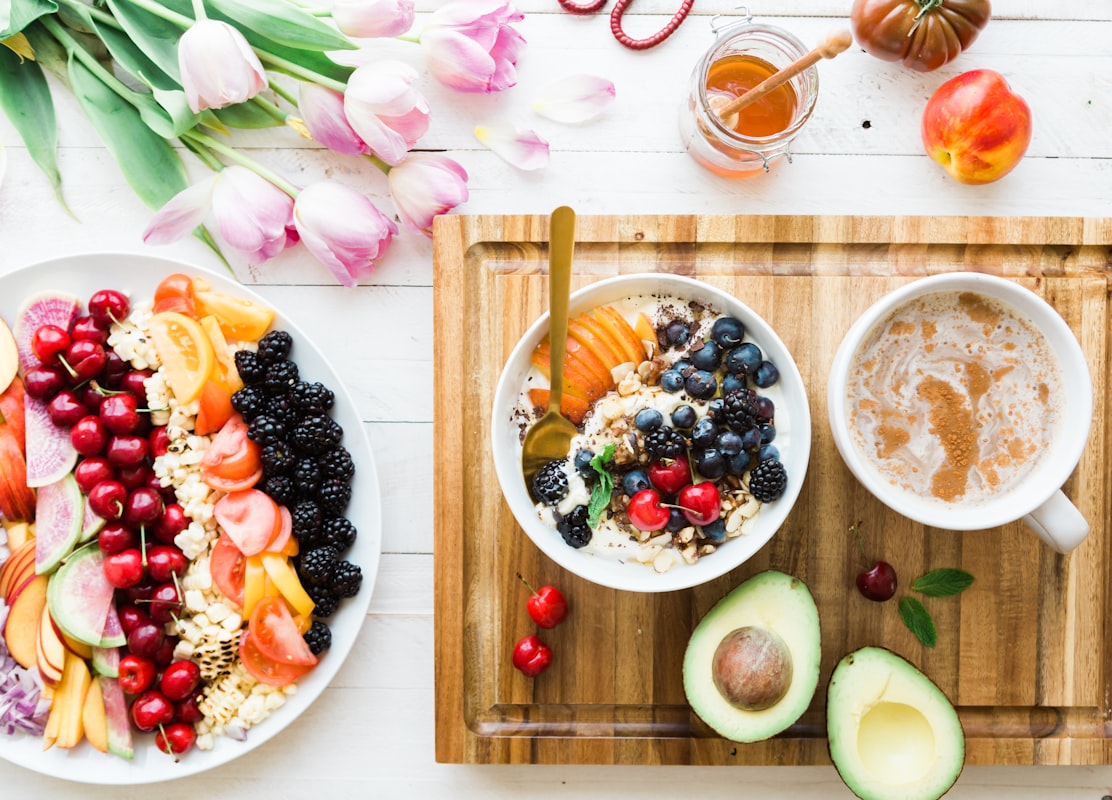
Turkey Meatballs & Brown Rice
Lean ground turkey meatballs baked with herbs, brown rice, and roasted zucchini. Low-fat, easy to portion, and pairs well with tomato-based sauces. Freezes beautifully for up to 2 months.
View Recipe →
Stir-Fried Beef & Vegetables
Lean beef strips, mixed vegetables (snap peas, carrots, mushrooms), served over brown rice. Garlic-ginger sauce adds flavor without excess salt. Quick to cook, stores 3–4 days, satisfying and nutrient-dense.
View Recipe →
Spiced Chickpea Curry
Plant-based protein with canned chickpeas, coconut milk, spinach, and aromatic spices. Served with white or brown rice. Budget-friendly, filling, and improves flavor through the week as spices meld.
View Recipe →
Egg Muffins with Vegetables
Whole eggs, spinach, tomatoes, and cheese baked in muffin tins. Grab-and-go breakfast or snack, high in protein, portable. Makes 12 portions, freezes well for 2+ months, reheat in 1 minute.
View Recipe →Ready to Explore More Recipes?
Our recipe collection features detailed instructions, nutritional breakdowns, and shopping lists to make meal prep effortless. Discover new ideas that fit your schedule and taste preferences.
Browse All RecipesCommon Questions About Men's Nutrition
Clear answers to help you make informed choices
How much protein do I actually need daily?
The general guideline is 0.8 grams per kilogram of body weight for sedentary men, and 1.6–2.2 grams per kilogram if you exercise regularly. A 80-kilogram active man would need approximately 130–175 grams daily. Spread protein across meals for optimal muscle synthesis and satiety. Quality sources include chicken, fish, eggs, legumes, and Greek yogurt.
Is eating carbohydrates bad for me?
No. Carbohydrates are your body's primary fuel, especially important for energy and brain function. The quality matters: choose whole grains (oats, brown rice, quinoa), legumes, and vegetables over refined sugars and white bread. Timing carbs around workouts supports recovery and muscle performance. Balance is key—not elimination.
How do I handle cravings without falling back to junk food?
Plan ahead by keeping healthy alternatives visible—fresh fruit, nuts, Greek yogurt, or popcorn. Understand your craving triggers: are you truly hungry, or stressed, bored, or thirsty? Often drinking water resolves cravings. Practice the 80/20 rule: eat nutritious foods most of the time, allowing occasional treats without guilt. Deprivation backfires; flexibility sustains habits.
What if I don't have time for meal prep?
Start small with 30 minutes of simple prep: cook a batch of chicken and rice, chop vegetables, portion out nuts and cheese. Alternatively, buy pre-cut vegetables, rotisserie chicken, and canned legumes to save time. Focus on having 3–4 staple meals you can rotate. Even basic consistency beats no planning at all. Build up gradually as habits solidify.
Should I take supplements if my diet is balanced?
Whole foods should be your foundation. A well-planned diet covering diverse foods typically meets most nutrient needs. However, some men may benefit from specific support depending on diet type (vegetarian, restricted calories) or goals (athletic performance). Consult our nutrition tips or seek personalized guidance before adding supplements. Avoid relying on pills to compensate for poor eating habits.
How long before I notice improvements in my health?
Energy and digestion often improve within 2–3 weeks of consistent healthy eating. Physical changes (body composition, muscle definition) typically become visible after 6–8 weeks. Mental clarity and mood benefit within 1–2 weeks. Remember: results depend on consistency, sleep, exercise, and stress management—nutrition is one pillar of health, not the only one. Be patient and track your own experience.
Have more questions? Explore our full FAQ section for deeper insights into nutrition, meal planning, and lifestyle integration.Read Full FAQ
What Real Men Are Discovering
Testimonials from readers who transformed their eating habits
"I was skeptical about meal prep, but your articles showed me it's not complicated. After six weeks of following the guidelines, I had more energy at work, my afternoon slump disappeared, and I finally see muscle definition. The recipe ideas are realistic and actually taste good—not boring chicken every night."
Riyanto Wijaya
Jakarta
"As someone who travels constantly for work, I thought healthy eating was impossible. The practical tips on dining out and portable snacks changed everything. I now understand hydration and protein timing actually matter. My focus is sharper, and I sleep better. The educational content is credible—no crazy promises, just solid information."
Budi Santoso
Surabaya
"I was skeptical at first, but the meal plans are incredibly flexible. I didn't have to give up foods I love. The recipes are easy to follow, and my energy levels have improved dramatically. Highly recommend for anyone wanting sustainable change."
Maya Patel
Jakarta
Frequently Asked Questions
How long before I see results?
Can I customize meal plans for allergies?
Is there ongoing support included?
What if I'm following a specific diet (keto, vegan, etc.)?
What's your refund policy?
Ready to Transform Your Health?
Join thousands of people who've discovered sustainable nutrition. Start your free trial today—no credit card required.
✓ 30-day free trial • ✓ Full meal plan access • ✓ Community support